Nebulae · Vulpecula
Dumbbell Nebula
NGC 6853 · M27
Details
Magnitude
7.50
Angular size
8′ × 5.7′
Messier
M27
NGC
6853
What you can realistically expect
A bright, easy planetary nebula shaped like a dumbbell or apple core.
BeginnerWhat is it?
The Dumbbell was the first planetary nebula ever discovered. It is unusually bright for its class and lies about 1,200 light-years away.
What will I see?
Binoculars
A small greenish smudge that clearly is not a star.
Small telescope
A distinctly two-lobed 'apple core' or dumbbell shape at moderate magnification.
Medium telescope
The full shape is easy, with fainter extensions filling in the gaps between the two bright lobes.
Reference imagery from long-exposure photography usually shows far more colour and structure than the human eye can see through a telescope.
Reference image
Processed image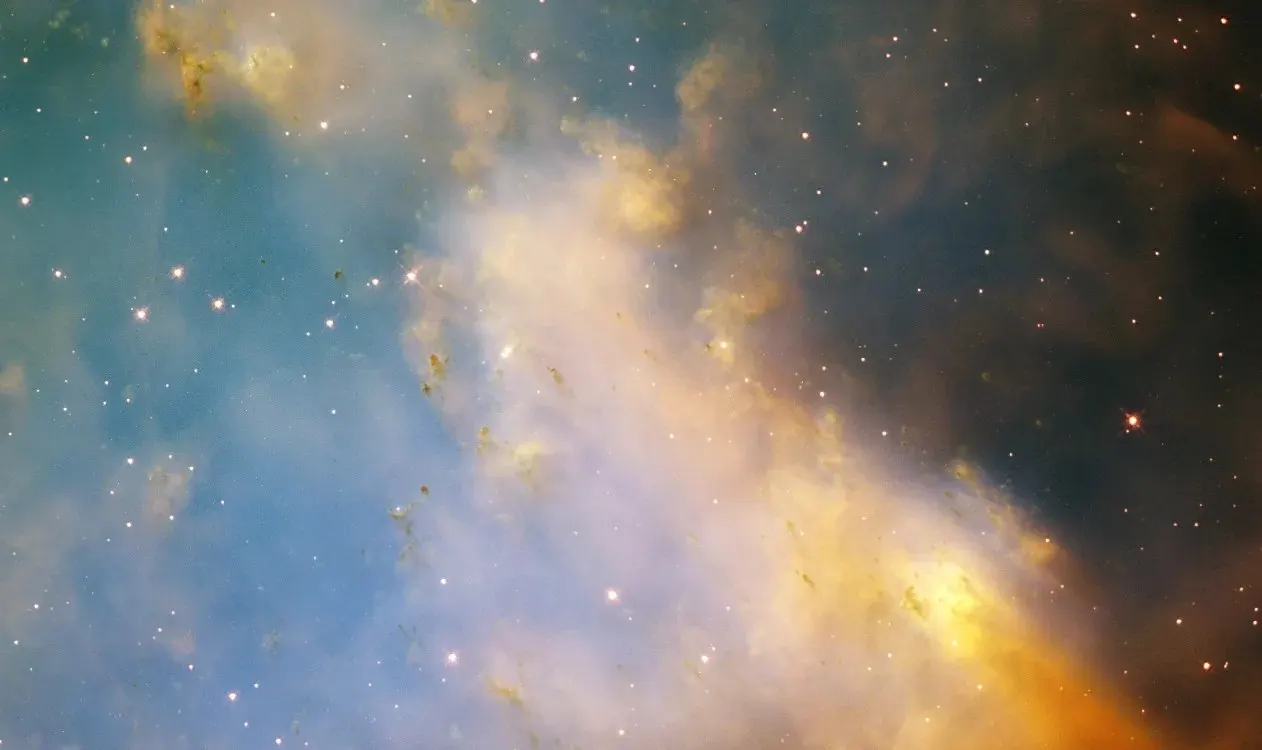
NASA/ESA and the Hubble Heritage Team (STScI/AURA) · NASA Science / Hubble Messier catalog
Long-exposure or processed astronomy images can show much more colour and structure than you may see through an eyepiece.
Observing tips
- Excellent target for beginners moving beyond the Ring Nebula.
- Nebula filters (UHC/O-III) enhance the shape under light-polluted skies.
Interesting facts
- Roughly 2.5 light-years across.
- Estimated age around 10,000 years.